
Exploring cultural perspectives in gambling A global tapestry of beliefs and practices
The Historical Roots of Gambling
Gambling has been an integral part of human culture for thousands of years, with evidence tracing back to ancient civilizations such as the Chinese, Egyptians, and Greeks. These societies often intertwined gambling with their religious and social practices. Dice, one of the oldest gaming tools, has been found in archaeological sites, indicating that games of chance were a popular pastime even in ancient times. With the evolution of this tradition, many are now engaging in WC 2026 betting, showcasing how far the concept has come. This historical backdrop sets the stage for understanding the diverse cultural significance of gambling across the globe.

In medieval Europe, gambling evolved further, particularly with the advent of card games. The popularity of these games laid the groundwork for modern casinos. The introduction of betting on sports and horse racing also gained traction, reflecting society’s growing fascination with chance and fortune. This evolution showcases how gambling has transformed over centuries, adapting to the cultural shifts and technological advancements of each era.
Today, the global landscape of gambling includes various forms, from state lotteries to online gaming platforms. Each culture interprets these activities differently, shaped by their unique histories and values. Understanding these origins helps in appreciating how gambling practices are not merely about winning or losing but are deeply embedded in the cultural identity of societies around the world.
Cultural Attitudes Towards Gambling
Cultural attitudes toward gambling can vary widely, from acceptance to prohibition. In some cultures, such as in many parts of Asia, gambling is often seen as a form of entertainment and social bonding. Festivals and family gatherings might involve games of chance, reflecting an integral aspect of their cultural practices. In contrast, other cultures view gambling with skepticism or outright disdain, associating it with addiction and moral decay. For instance, many religious beliefs emphasize the dangers of gambling, leading to restrictions or bans in certain regions.
The societal ramifications of these cultural attitudes are profound. In places where gambling is embraced, it can contribute significantly to economic growth through tourism and job creation. Countries like Macau and Las Vegas thrive on their gambling industries, attracting millions of visitors each year. Conversely, in nations where gambling is frowned upon, underground gambling activities may flourish, leading to legal and social complications.
Furthermore, these cultural attitudes are not static. As globalization increases, many societies are reevaluating their positions on gambling. Younger generations, exposed to diverse influences through media and travel, may adopt more permissive views, leading to an ongoing cultural shift in how gambling is perceived and regulated.
The Role of Religion in Gambling Practices
Religion plays a crucial role in shaping gambling practices and perceptions across various cultures. In many religions, gambling is viewed through a moral lens. For example, Islam strictly prohibits gambling, considering it a form of deception that can lead to financial and moral ruin. This prohibition shapes the gambling landscape in many Middle Eastern countries, where religious beliefs dominate daily life and law.
On the other hand, certain cultures incorporate gambling into their spiritual practices. In many Indigenous communities, games of chance are often seen as a way to connect with ancestral spirits or as a means of divination. These rituals highlight the multifaceted nature of gambling, where it transcends mere entertainment to become a spiritual experience. The cultural significance of these practices can enhance communal bonds, creating shared narratives and experiences.
The intersection of religion and gambling is complex, and its effects are seen in the legal frameworks governing gambling activities. Countries with strong religious influences often have stringent gambling laws, while those with more secular governance may adopt a more liberal approach. This tension between tradition and modernity continues to shape the global gambling landscape, leading to diverse practices and beliefs.
Modern Gambling Trends Across Cultures
With the rise of technology, modern gambling trends are rapidly changing, influenced by cultural shifts and societal demands. Online gambling has become increasingly popular, allowing individuals to engage in games of chance from the comfort of their homes. This trend reflects the contemporary lifestyle of convenience and instant gratification, appealing especially to younger demographics. However, this evolution also brings challenges, such as increased gambling addiction rates and issues with regulation.
Cultural attitudes toward online gambling vary significantly. In regions where gambling is culturally accepted, online platforms thrive, often featuring games that cater to local tastes and preferences. However, in areas where gambling is traditionally frowned upon, online gambling may still occur, albeit in clandestine forms. This duality illustrates how modern technology interacts with historical and cultural perspectives on gambling.
Moreover, the incorporation of cultural elements into online gaming platforms is becoming a trend. Game developers are increasingly recognizing the importance of cultural relevance, creating experiences that resonate with specific audiences. This not only enhances user engagement but also reflects a broader understanding of gambling as a cultural expression rather than merely a financial transaction.
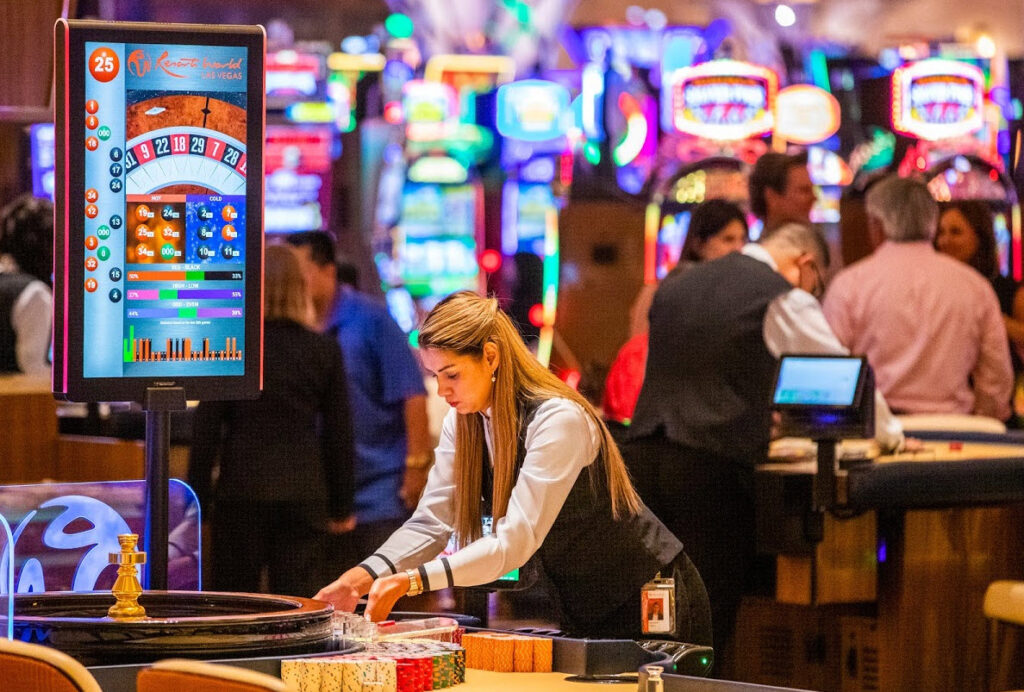
Conclusion: Understanding Gambling Through a Cultural Lens
Exploring the cultural perspectives surrounding gambling reveals a rich tapestry of beliefs and practices that vary significantly across the globe. From historical roots to modern trends, these perspectives help us understand the multifaceted nature of gambling. Whether viewed as a form of entertainment, a spiritual practice, or a moral dilemma, gambling is deeply ingrained in cultural identities.
As societies continue to evolve, so too will the cultural narratives surrounding gambling. The ongoing dialogue about its role in our lives—whether as a source of joy or a potential hazard—reflects the complexities of human experience. Understanding these cultural dimensions can foster greater awareness and responsible practices in the gambling industry.
This website serves as a platform for exploring these intricate cultural threads and their impact on gambling practices worldwide. By offering insights into various beliefs and attitudes, we aim to create a deeper understanding of gambling as a global phenomenon, encouraging thoughtful discussion and engagement with this fascinating subject.